Seasonal Gardening · 11 min read
Preparing Your Garden for Winter: A Full Autumn Checklist
By House of Horticulturists · 8 September 2026
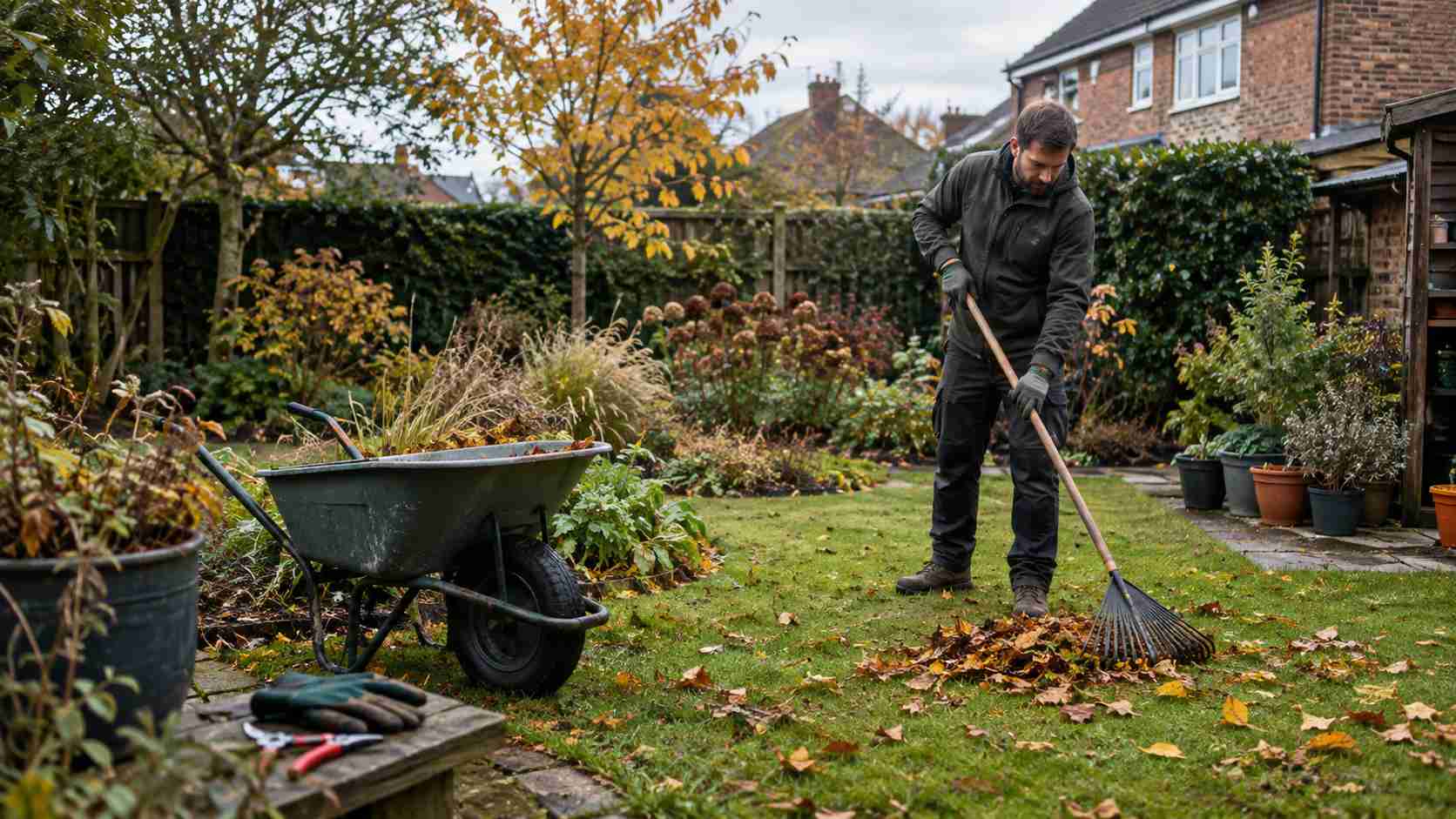
Winter doesn't need to catch a garden off guard. A handful of focused jobs done properly through autumn protects planting, structures and hard landscaping from the worst of what winter brings, cold, wet, wind and the occasional hard frost, and sets the whole garden up to come back strongly in spring rather than needing repair. This is a complete, practical checklist covering lawns, borders, hedges, hard landscaping and garden structures, worth working through over a few autumn weekends rather than leaving until the weather has already turned.
Why autumn preparation matters
Most winter garden damage isn't really caused by winter itself, it's caused by things that were left unaddressed going into it. A lawn that wasn't aerated stays waterlogged and weak through wet months, a fence panel with a loose post gets taken out by the first proper autumn storm, and tender plants left unprotected succumb to a frost that a bit of fleece would have shrugged off entirely. We've covered the specific plants and pruning jobs worth prioritising in what to plant, prune and avoid in August and September, and the case for planting hedges and trees now in why autumn is the best time to plant almost anything, this checklist builds on both, covering the wider structural and maintenance side of getting a whole garden ready.
Lawn care checklist
- ›Give the lawn a final cut before growth slows right down, raising the mower height slightly for this last cut or two.
- ›Scarify to remove thatch and moss build-up from summer, then overseed any bare or thin patches while the soil is still warm enough for germination.
- ›Aerate compacted areas, particularly anywhere with heavy foot traffic, to improve drainage before the wetter months set in.
- ›Clear fallen leaves regularly rather than letting them build up, a smothered lawn underneath a thick layer of wet leaves weakens fast.
- ›Apply an autumn lawn feed formulated for root strength rather than leaf growth, supporting the lawn through winter rather than pushing soft new growth.
Border and planting checklist
- ›Lift and store tender bulbs like dahlias once the foliage has been blackened by the first frost, or mulch heavily if leaving them in the ground in a sheltered spot.
- ›Cut back perennials that have finished flowering, but leave some seed heads and stems standing for winter interest and for insects and birds that rely on them.
- ›Divide overcrowded perennials while the soil is still workable, giving new divisions time to establish roots before the ground turns cold.
- ›Mulch borders with compost or well-rotted organic matter, protecting roots from frost while improving soil structure over winter.
- ›Move tender container plants to a sheltered spot, greenhouse or indoors before the first frost, checking thoroughly for pests before bringing anything inside.
Hedges, shrubs and trees checklist
- ›Give evergreen hedges their final trim of the year before growth slows for winter, avoiding a hard cut too late in the season.
- ›Hold off pruning spring-flowering shrubs like forsythia, camellia and lilac, which set next year's flower buds on this year's growth.
- ›Stake newly planted or young trees properly so winter wind doesn't rock the root ball loose while it's still establishing.
- ›Check tree ties and stakes on existing trees, loosening anything that's become too tight as the trunk has grown through the year.
- ›Consider whether any trees need professional attention before winter storms, dead or overhanging branches are far more likely to come down in high winds.
Hard landscaping and structures checklist
Hard landscaping needs attention too, since problems that develop unnoticed through winter are often far more expensive to fix than they would have been to prevent. Check patios and paths for algae build-up before wet weather makes surfaces genuinely slippery, a pressure wash now is far easier than dealing with a hazard mid-winter, something our Pressure Washing & Waste service handles efficiently before the weather turns properly cold and wet.
Inspect decking for loose boards, and clean and re-treat timber decking before winter if it's due, our guide to keeping timber decking looking its best covers this in more detail. Check fence panels and posts for movement or rot at ground level, since a fence that's already weakened is far more likely to fail in an autumn or winter storm, worth having assessed by our Fencing & Screens service if anything looks doubtful. Clear gutters and drainage channels around patios, sheds and garden rooms, blocked drainage is one of the most common causes of winter waterlogging and subsequent damage.
Garden rooms and sheds checklist
- ›Check the roof for damage or lifting felt before autumn rain arrives, small repairs now prevent water getting into the structure over winter.
- ›Treat exposed timber if it's due, ideally this is done earlier in summer, but any obvious bare patches are worth touching up before winter sets in.
- ›Clear guttering, if fitted, and check that water is draining away from the base rather than pooling against it.
- ›Check door and window seals, gaps let cold and damp in and can let pests find their way inside over winter.
- ›For a garden room used through winter, confirm heating and insulation are in good order well before the first genuinely cold week arrives.
Ponds and water features checklist
If a pond is part of the garden, netting it before leaves start falling heavily saves a significant amount of autumn clean-up and prevents decaying leaves from affecting water quality over winter. Reduce or stop feeding fish as water temperatures drop and their metabolism slows, and consider a pond heater or floating ball in colder spells to keep a small area ice-free, allowing gases to escape and protecting any fish or wildlife sheltering in the pond through winter.
Tools and equipment checklist
- ›Clean and oil hand tools before storing them for winter, preventing rust and keeping edges sharp for spring.
- ›Drain and store hoses somewhere frost-free, water left inside can freeze and split the hose.
- ›Service or clean the mower before storing it, and consider having blades sharpened ready for the new season.
- ›Empty and clean water butts if there's a risk of hard freezing, or at minimum check overflow points aren't blocked.
A rough autumn timeline
Early autumn, roughly September, is the time for the bulk of active jobs: final lawn cuts, scarifying and overseeding, dividing perennials, and any autumn planting while the soil is still warm. Mid-autumn, into October, shifts toward clearing leaves, protecting tender plants, and getting hard landscaping and structures checked and treated before the weather properly turns. By late autumn into November, the focus moves to final protective measures, mulching, netting ponds, storing tools, and confirming everything, fences, sheds, hedges, is sound enough to see out the winter months without attention.
Not every job needs doing in a single weekend, and spreading this checklist across several weeks through September and October is generally more manageable, and arguably better for the garden, than trying to cram everything into one exhausting session right before the first frost.
Getting ready for winter across different gardens
What matters most varies a little by garden type and setting. Riverside and low-lying plots, common around Kensington and other Thames-side towns, benefit particularly from drainage checks and clearing gutters before autumn rain arrives, since these gardens are more prone to standing water than those on higher ground. More open, exposed settings, including some of the newer housing areas around Lambeth, can see harder frosts and stronger winds than sheltered, tree-lined streets, making fence and structure checks and adequate plant protection especially worthwhile before winter sets in properly.
If your garden needs more than a DIY weekend can realistically cover, whether that's hedge cutting, hard landscaping repairs, or a full seasonal tidy, our Garden Maintenance service can take care of the full autumn checklist as part of a scheduled visit, so nothing gets missed going into winter.
Frequently asked questions
If you only manage one thing, improving soil with compost or well-rotted organic matter and checking drainage tends to have the biggest impact on how well a garden comes through winter and bounces back in spring. Beyond that, clearing leaves regularly and checking hard landscaping and fencing for damage are close behind.