Seasonal Gardening · 9 min read
What To Plant, Prune and Avoid in Your Garden This August and September
By House of Horticulturists · 3 August 2026
It's easy to treat August and September as a quiet stretch between summer's peak and the first frosts, but this is actually one of the most important windows in the gardening calendar. The soil is still warm from summer, which gives roots a real head start before winter, and the jobs done now largely decide how strong next spring's display will be. Here's what to plant, prune, avoid and fix over the coming weeks.
What flowers should you plant in August and September for next year's display?
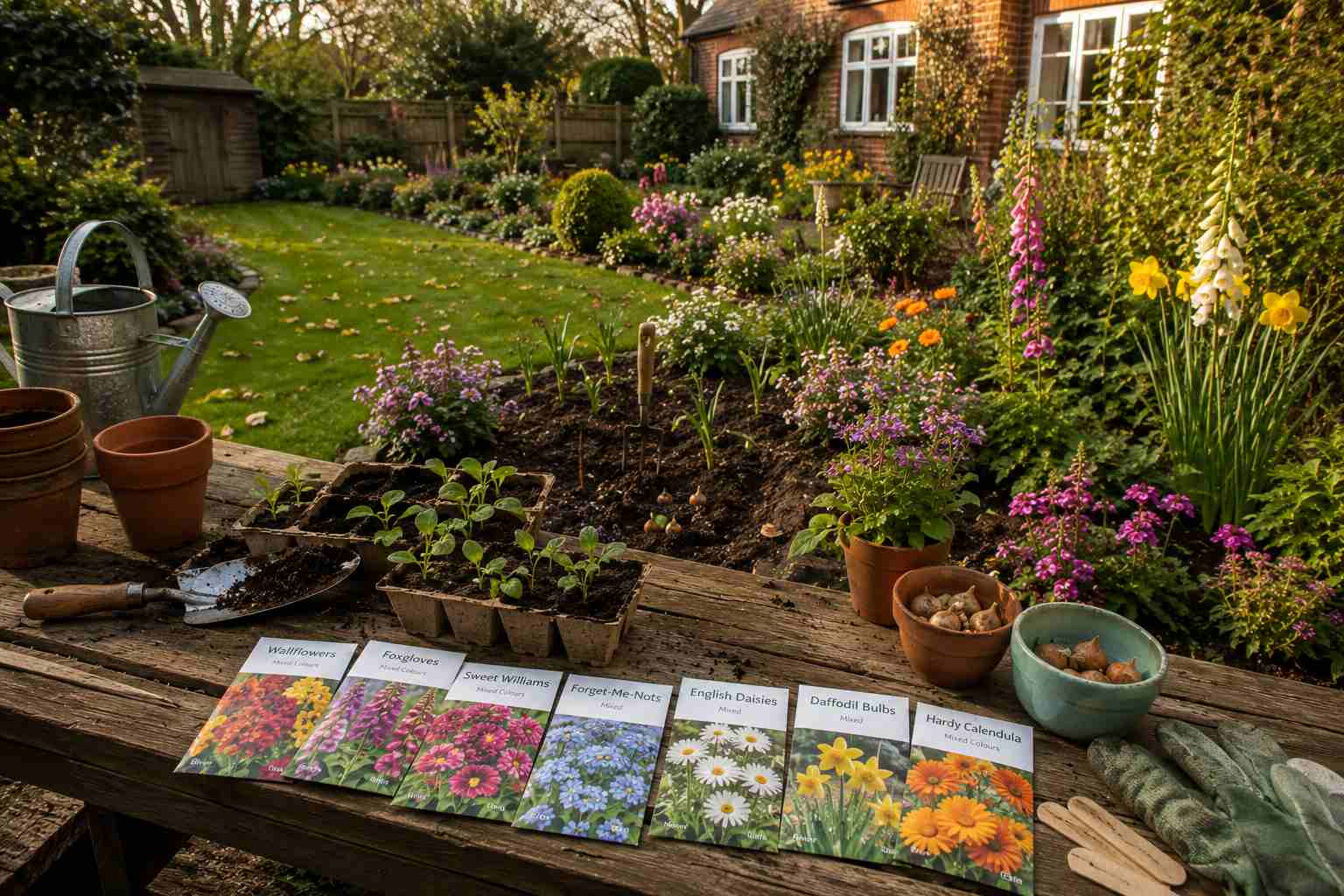
Autumn planting is very much an investment rather than an instant result. The border won't look particularly exciting in the weeks after planting, but by spring you'll have noticeably stronger, earlier-flowering plants than anything sown fresh in the new year.
- ›Wallflowers
- ›Foxgloves
- ›Sweet Williams
- ›Forget-me-nots
- ›English daisies
- ›Daffodils
- ›Hardy calendula
What gardening jobs should you be doing in August and September?
Late summer is about preparing the garden for next year rather than simply keeping on top of maintenance. Regular tasks worth prioritising now include deadheading flowering plants, giving hedges their final trim before autumn growth slows, dividing overcrowded perennials, and working compost into borders to improve soil ahead of winter. Staying on top of weeds now also matters, since letting them run to seed at this point stores up far more work next spring.
It's also one of the best times of year to repair a tired lawn or sow fresh grass seed. Warm soil combined with cooler, damper air gives grass seed close to ideal conditions to establish quickly, better in many respects than a spring sowing.
What should you prune in August and September, and why?
A common mistake is treating autumn as a blanket cue to cut everything back hard. It's worth being selective, since pruning the wrong plant at the wrong time can cost you next year's flowers entirely.
- ›Roses, both climbing and rambling, once they've finished flowering
- ›Evergreen hedges, giving them a final tidy before winter
- ›Berries, once fruiting has finished
- ›Lavender, lightly trimmed after flowering to keep plants compact
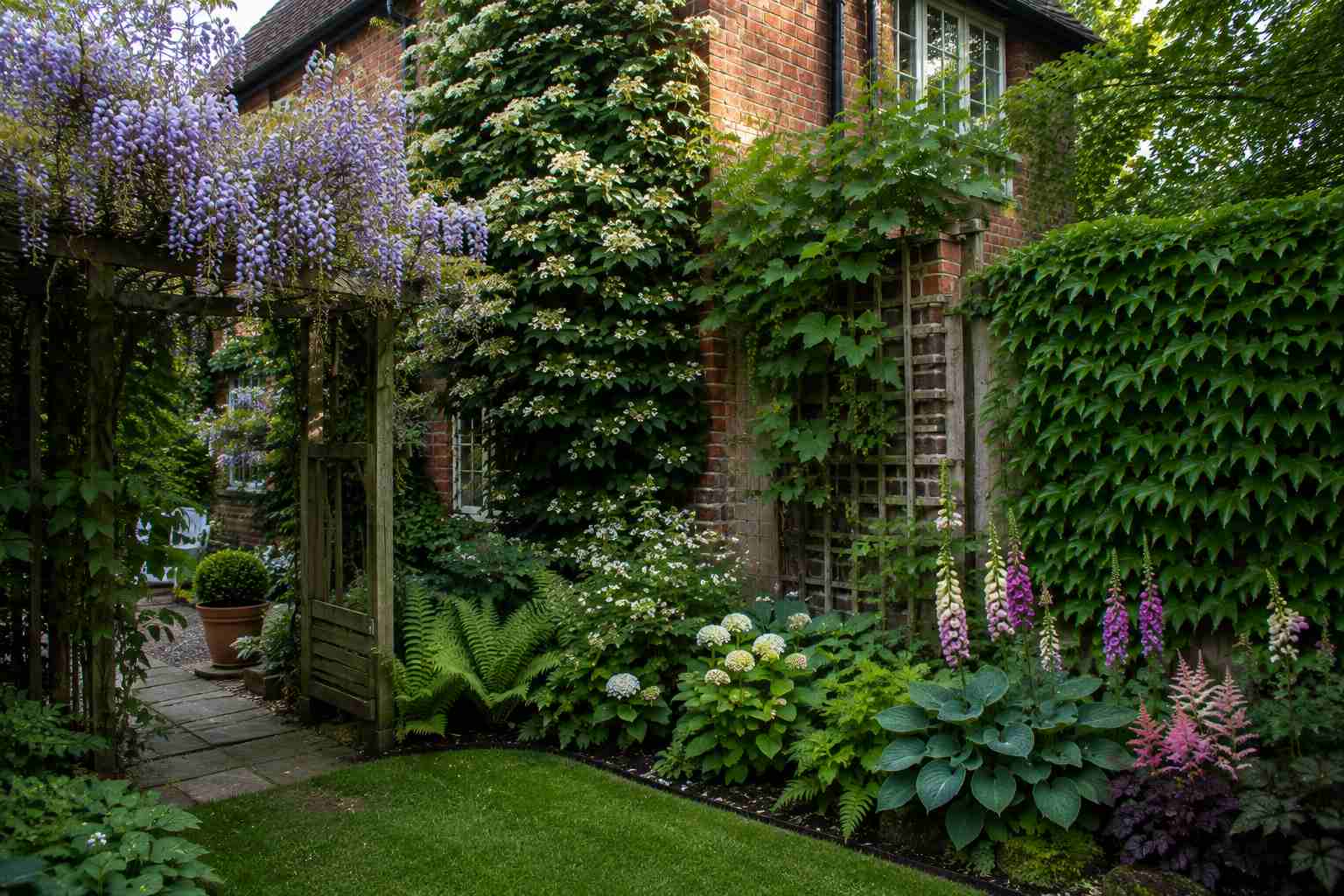
- ›Wisteria, pruned back in late summer to keep growth under control
Spring-flowering shrubs to leave alone for now
Some shrubs set next year's flower buds on this year's growth, so pruning them in late summer removes the very buds you're hoping to see next spring. Leave these until after they've flowered instead.
- ›Forsythia
- ›Camellia
- ›Hydrangeas
- ›Cherry and other prunus species
- ›Lilac
- ›Rhododendron
What should gardeners avoid doing during August and September?
The biggest mistake is treating autumn as the end of the gardening season and giving everything a complete tidy, cutting back every plant and removing all seed heads. It might look neater, but it also strips away food and shelter that birds, bees and other beneficial insects rely on through autumn and winter.
It's also worth avoiding heavy feeding with high-nitrogen fertilisers this late in the season. That kind of feed pushes soft, sappy new growth that is far more vulnerable once temperatures start to drop.
Gardening jobs people commonly get wrong
A handful of mistakes come up again and again at this time of year.
- ›Over-pruning shrubs and perennials, cutting a shrub back hard doesn't make it healthier, it often just stresses the plant or removes next year's flowers.
- ›Using blunt or dirty tools, poor cuts heal more slowly and leave plants more open to disease, a sharp, clean pair of secateurs matters as much as choosing the right plant.
- ›Stopping watering as soon as the weather cools, newly planted shrubs, trees and perennials still need regular watering while they establish, particularly if September turns out dry.
- ›Ignoring lawn aeration and scarification, compacted, thatchy ground stops air, water and nutrients reaching the roots and leaves the lawn weaker going into winter.
- ›Neglecting soil improvement, poor soil produces weaker plants across the board, working in compost now makes a real difference to next year's growth.
One gardening tip worth prioritising above all others
If you only do one thing in August or September, improve your soil. Working compost or well-rotted organic matter into borders now gives earthworms all winter to draw it down into the ground, and you'll see the difference in plant health and vigour by next spring. This matters even more on heavier ground, gardens on the clay found around parts of Kensington, for example, benefit noticeably from autumn soil improvement compared with lighter, free-draining plots.
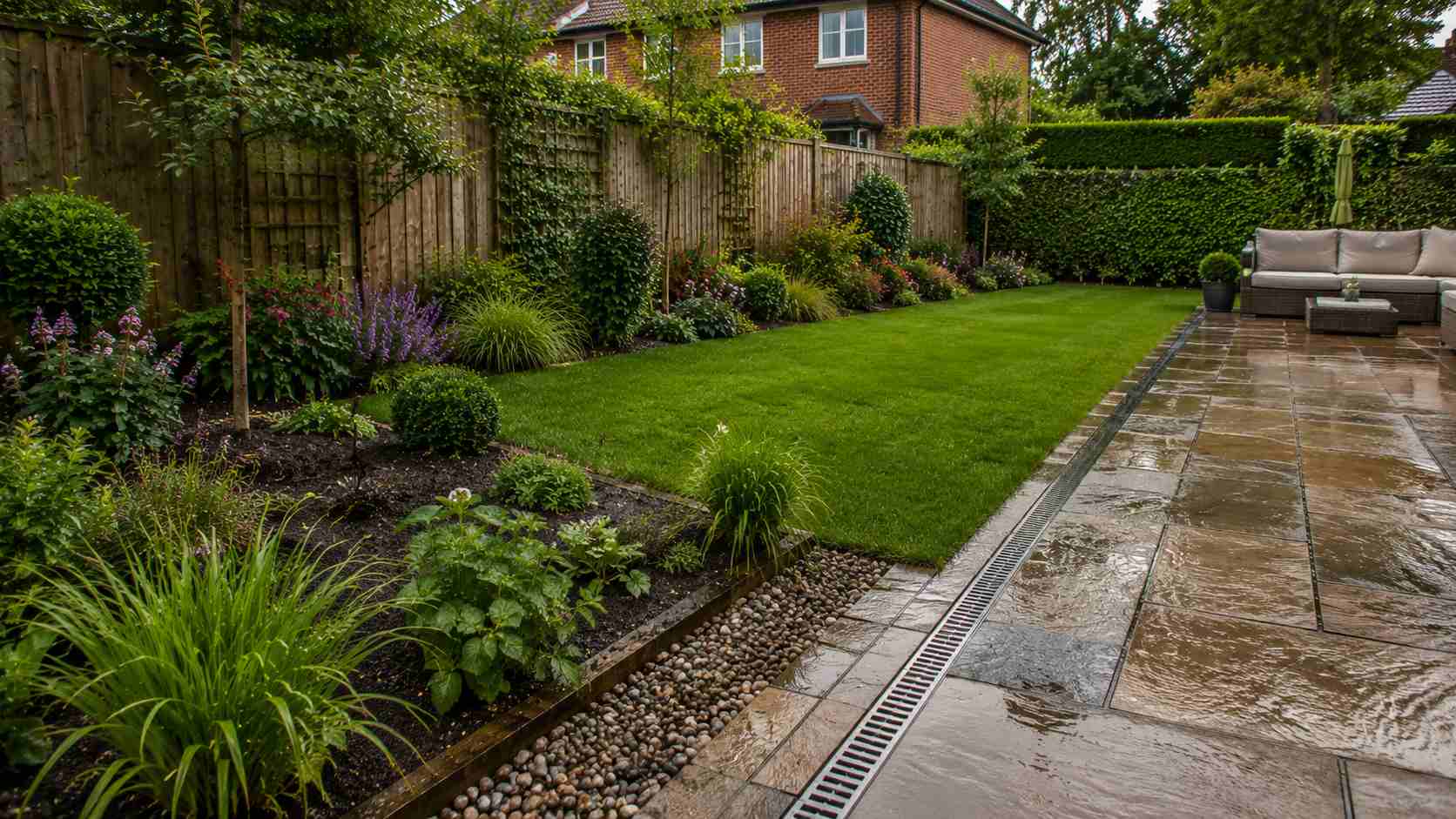
If your lawn needs more than a light rake, or your borders could use a proper overhaul rather than a quick tidy, our lawn installation and turfing and garden design and landscaping services both make good use of this autumn window, when soil conditions genuinely work in your favour.
Frequently asked questions
No, September is one of the best times to plant hardy flowers like wallflowers, sweet Williams and forget-me-nots. The still-warm soil helps roots establish before winter, giving stronger, earlier-flowering plants next spring than those sown in the new year.