Seasonal Gardening · 10 min read
Which Herbs Should Come Indoors for Winter, and Which Can Stay Outside?
By House of Horticulturists · 4 September 2026
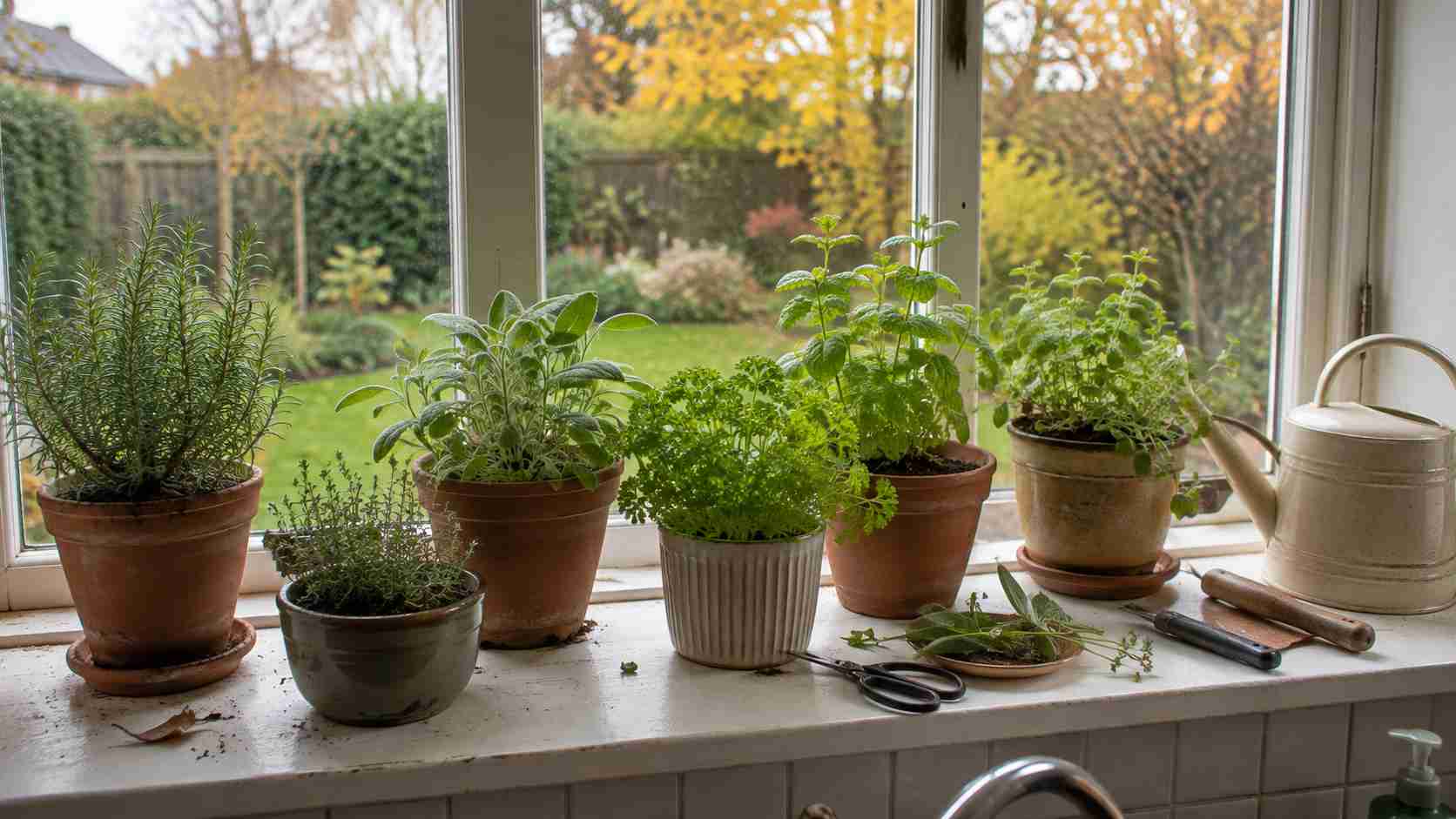
As temperatures start to fall through autumn, herb growers face a genuinely useful question: which plants actually need rescuing from the cold, and which are tough enough to simply be left where they are? Treating every herb the same way, either bringing everything indoors out of caution or leaving everything outside out of laziness, tends to go badly one way or another. Tender, Mediterranean-origin herbs need real protection from frost and wet, while many hardy perennial herbs are naturally built for a UK winter and actively dislike being brought inside. Knowing which is which makes the difference between a herb collection that sails through winter and one that doesn't survive it.
Basil
Basil is genuinely tender and among the first herbs to suffer once autumn nights turn cold, it has no real frost tolerance and struggles even before an actual frost arrives.
- ›Bring pots indoors well before overnight temperatures start regularly dropping below around 10°C.
- ›Position on a bright, sunny windowsill, basil needs strong light to keep producing usable leaves indoors.
- ›Keep it away from cold draughts near doors or single-glazed windows, which stress the plant as much as outdoor cold would.
- ›Avoid overwatering once indoors, basil's water needs generally drop once growth slows in lower light and cooler indoor conditions.
- ›Given enough light and warmth, basil can keep producing leaves right through winter rather than sitting dormant.
Lemongrass
Lemongrass isn't reliably hardy across most of the UK and container-grown plants need moving somewhere protected well before the first proper cold snap arrives.
- ›Move container-grown lemongrass indoors or into a heated greenhouse once autumn temperatures start dropping consistently.
- ›Keep it somewhere bright and genuinely frost-free rather than just sheltered, an unheated porch may not be enough in a hard winter.
- ›Reduce watering significantly through winter, lemongrass's growth slows right down and overwatering in this dormant period is a common cause of losses.
Rosemary
Rosemary is considerably tougher than basil or lemongrass and can usually stay outside through much of a typical UK winter, but pot-grown plants are noticeably more vulnerable than those in open ground.
- ›Rosemary planted directly in the ground generally copes with UK winters without any special protection in most areas.
- ›Container-grown rosemary is more exposed to both severe cold and winter wet, since a pot offers far less insulation around the roots than open soil.
- ›Position containers somewhere sheltered with good drainage, standing water around the roots is a bigger risk to rosemary than cold air alone.
- ›In particularly cold spots, moving container-grown rosemary into an unheated greenhouse or another frost-free space over the coldest weeks is a sensible precaution.
Hardy herbs that can stay outdoors all winter
A good number of perennial herbs are naturally adapted to cooler conditions and genuinely don't need bringing inside for a typical UK winter, in fact several actively dislike the warm, dry conditions of an indoor windowsill far more than they mind outdoor cold.
- ›Thyme is generally very hardy and prefers full sun and free-draining soil, the main winter risk is excess moisture rather than cold, so avoid spots where water tends to collect.
- ›Sage usually copes well left outdoors in a sunny, sheltered position, good drainage matters particularly through wet winters, and it's worth avoiding heavy pruning too late in the season.
- ›Mint is extremely hardy and well suited to UK winters, top growth often dies back completely but fresh shoots reliably emerge from the roots come spring, keep it contained since it spreads aggressively once established.
- ›Chives are among the easiest herbs to overwinter outdoors, the foliage dies back after frost but the roots stay dormant underground and produce fresh growth reliably in spring.
- ›Parsley is relatively cold-tolerant and can usually stay outside in a sheltered spot, fleece or a cloche gives useful extra protection during severe frost, and harvesting regularly before winter encourages fresh growth for longer into the colder months.
The golden rule for overwintering herbs
Almost all perennial herbs share one common vulnerability, they dislike sitting in waterlogged soil far more than they dislike cold air, and container-grown herbs are particularly at risk since their roots have considerably less natural insulation than herbs planted directly in open ground. Getting drainage right, whether that's raising pots off the ground, choosing free-draining compost, or avoiding low spots in a border where water naturally collects, does more to protect hardy herbs through winter than almost any other single measure.
With tender herbs protected indoors or under cover and hardy varieties left to rest outdoors in well-drained conditions, most herb collections come through winter in good shape and are ready to produce strong fresh growth as soon as spring arrives. If your herb beds or containers consistently sit wet through winter, it's often a sign of a wider drainage issue worth addressing properly, something our Garden Design & Landscaping service can help resolve as part of a wider border or planting redesign.
Tips for transplanting herbs indoors
- ›Choose healthy plants, only bring pest- and disease-free herbs indoors, moving a problem plant inside just brings the problem with it.
- ›Use suitable pots, choose containers with proper drainage holes and fresh, free-draining compost rather than reusing old, compacted compost.
- ›Acclimatise gradually, introduce herbs to indoor conditions over several days rather than moving them straight from outdoors to a warm room in one go.
- ›Provide good light, position herbs near a bright window where they'll get plenty of natural light through the shorter winter days.
- ›Water carefully, water once the compost starts to dry out rather than on a fixed schedule, overwatering is one of the most common causes of indoor herb losses.
- ›Prune lightly, trim back any overgrown or leggy stems to encourage bushier, healthier growth once the plant settles into its new indoor spot.
Avoiding pests when bringing herbs indoors
- ›Inspect thoroughly, check leaves, stems and the undersides of leaves closely for insects, eggs or any signs of damage before moving anything indoors.
- ›Clean before moving, gently wash foliage and remove any dead or damaged leaves, which can otherwise harbour pests or disease.
- ›Check the soil, look for insects around the compost surface and remove any weeds or debris that might be hiding something.
- ›Quarantine new arrivals, keep herbs away from existing houseplants for one to two weeks and monitor them closely before introducing them to the rest of your indoor plants.
- ›Keep checking regularly, ongoing inspection helps catch common problems like aphids, whitefly and spider mites early, well before an infestation takes hold.
Caring for an indoor herb garden through winter
- ›Provide plenty of light, position herbs near a bright window or use a grow light if natural daylight is limited through the darker winter months.
- ›Water carefully, water once the top of the compost feels dry rather than on a routine, avoiding waterlogged roots in the lower light and cooler conditions typical indoors.
- ›Feed regularly, use a balanced liquid fertiliser during periods of active growth to keep foliage healthy and productive.
- ›Harvest little and often, regularly pinching or cutting stems encourages bushier growth and keeps a steady, usable supply rather than letting plants grow leggy.
- ›Ensure good airflow, keep plants reasonably spaced to reduce humidity around the foliage and lower the risk of fungal disease.
- ›Rotate pots periodically, turning containers regularly means plants receive even light from all sides and grow more evenly rather than leaning toward the window.
Where herb beds fit into a wider garden plan
A dedicated herb bed or a well-planned run of containers works particularly well as part of a wider kitchen garden or border scheme, and it's worth thinking about drainage, sun exposure and shelter from the outset rather than adjusting after the fact each winter. This matters especially in more exposed spots, gardens in riverside or open settings like those around Maidenhead and Reading can see harder frosts and stronger winter winds than more sheltered, built-up areas, so factoring that into where herbs are planted or positioned makes a genuine difference come winter.
For anyone planning a new kitchen garden, raised beds or a wider planting scheme designed to work with the seasons rather than fight them, our Garden Design & Landscaping service can plan sheltered, well-drained positions for herbs and other tender planting from the start, and our Garden Maintenance plans can build seasonal jobs like this straight into a year-round care schedule.
Frequently asked questions
Tender, frost-sensitive herbs like basil and lemongrass need bringing indoors or into a heated space well before temperatures regularly drop below around 10°C. Rosemary can often stay outside, but container-grown plants benefit from a sheltered spot or a move into an unheated greenhouse during particularly cold weather.