Decking · 5 min read
How to Keep Timber Decking Looking Its Best
By House of Horticulturists · 13 July 2026
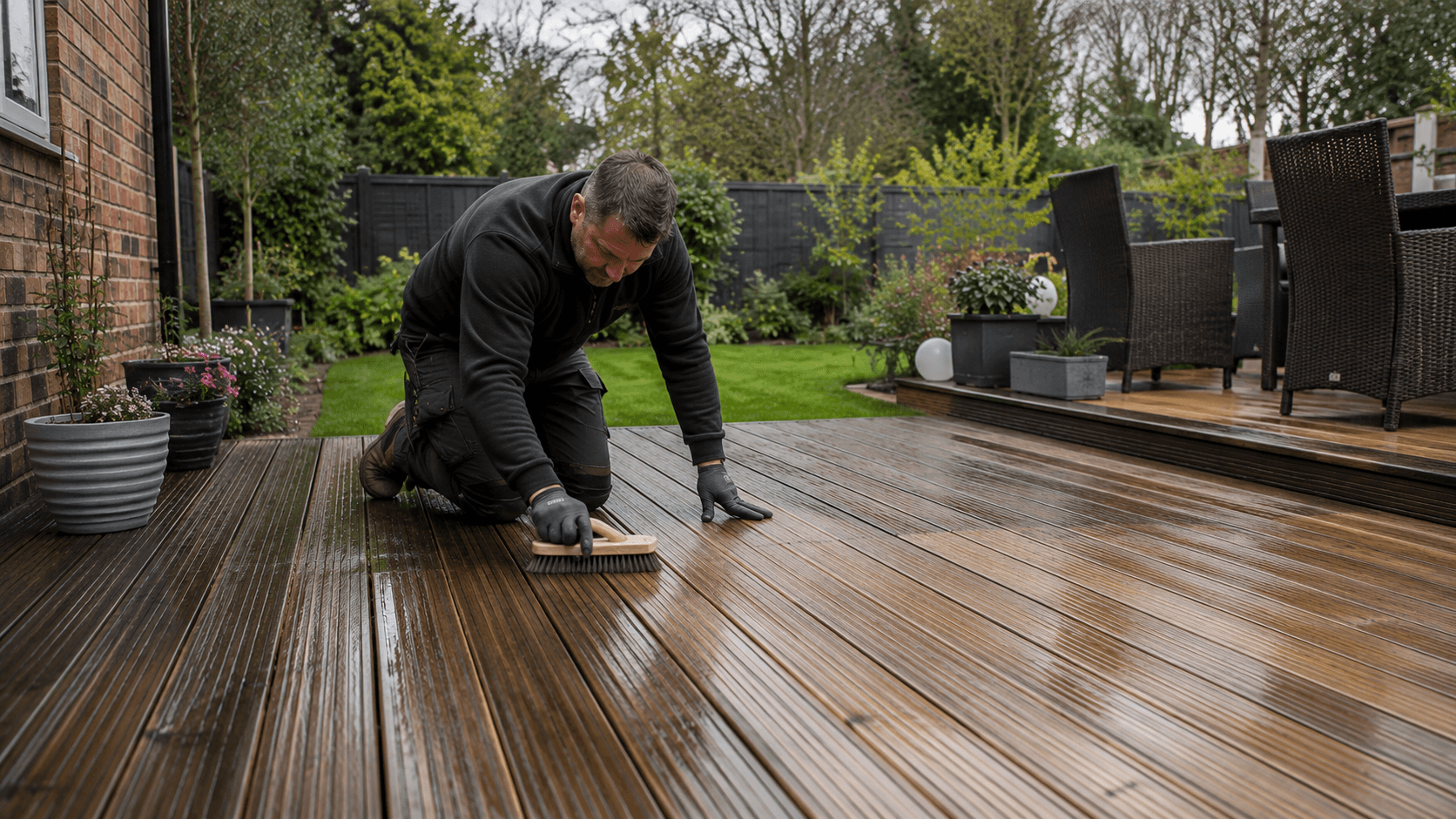
Timber decking rewards a bit of seasonal attention. Left alone it greys, grows slippery and degrades faster; looked after, it stays warm, handsome and safe for years. The routine is straightforward.
Clean it regularly
Clear leaves and debris from between the boards so water drains and damp doesn't build up. Scrub the deck to remove the algae and grime that make timber slippery, this matters most before and after winter, when wet decking becomes a genuine trip hazard.
A stiff brush and a suitable deck cleaner handle most jobs. If you use a pressure washer, keep it moving and at a sensible distance, too aggressive and it furs up and damages the timber.
Treat and protect
- ›Once clean and dry, apply a quality decking oil or stain to resist moisture and fading.
- ›Do it on a dry, mild day so it soaks in properly.
- ›Reapply periodically, how often depends on exposure, wear and the product.
- ›Check for loose boards, raised fixings and any soft, rotting timber as you go.
The jobs that prevent big repairs
Most serious decking problems start small and hidden: trapped damp under debris, a fixing working loose, the first soft patch of rot. A quick seasonal check, clearing the gaps, testing for movement, looking underneath where you can, catches these while they're cheap to fix rather than after a board gives way.
When it's more than maintenance
Cleaning and oiling keep a sound deck sound, but they won't rescue a failing one. If large areas are soft, the frame beneath is rotting, or boards flex underfoot, that's a structural issue rather than a surface one, and worth having looked at before it becomes unsafe.
Frequently asked questions
It depends on exposure, wear and the product, but many timber decks benefit from re-oiling or staining periodically, often once a year or as the finish starts to wear. Always clean and dry the deck first, and follow the product's guidance.