Garden Rooms & Sheds · 9 min read
Maintaining a Timber Shed: Treatment, Repairs and Preventing Rot
By House of Horticulturists · 31 August 2026
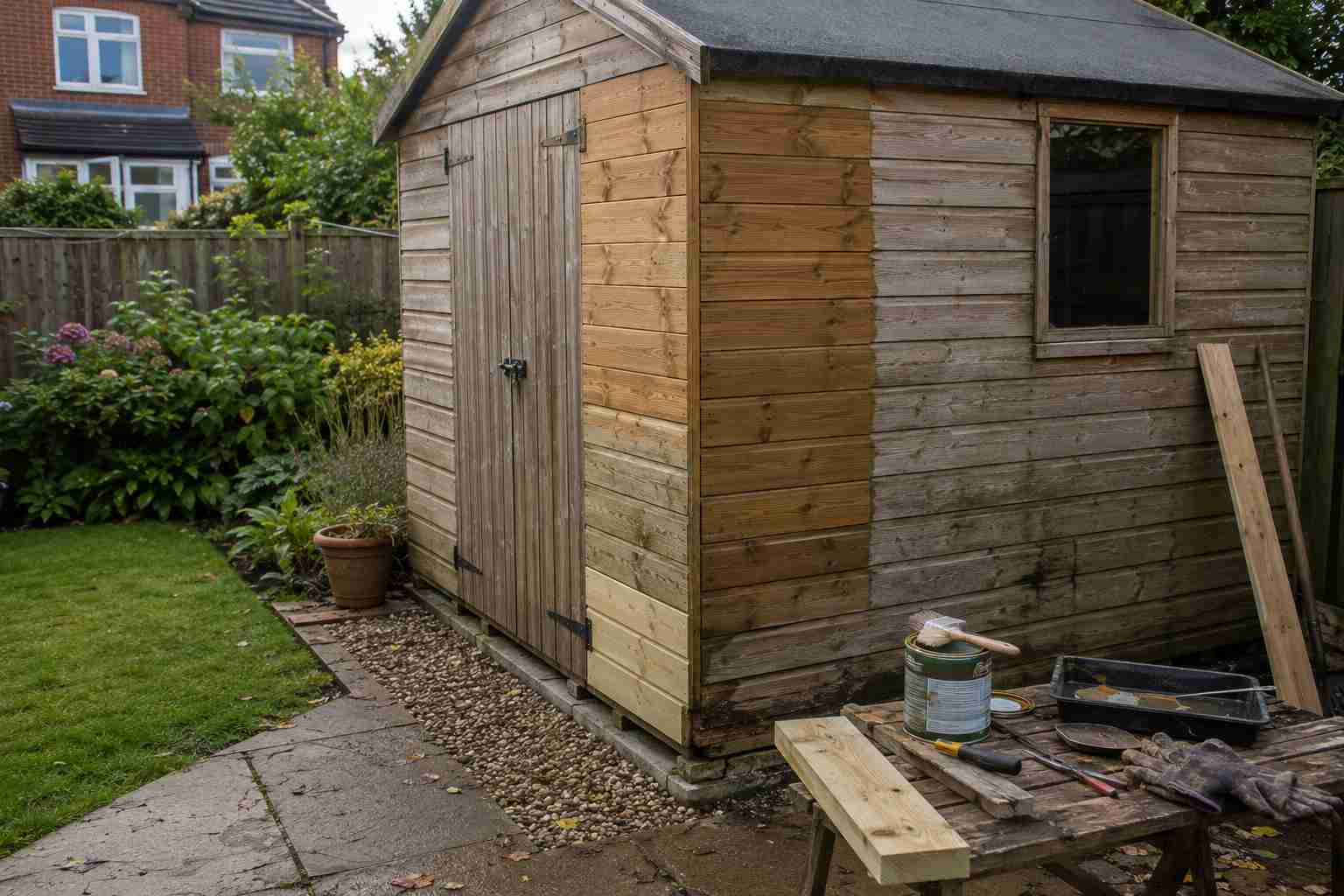
Timber sheds are genuinely durable when looked after properly, many last decades with only modest ongoing attention, but neglect a shed for a few seasons and rot can take hold surprisingly quickly, particularly at ground contact points and anywhere water is able to sit rather than run off. The good news is that keeping a timber shed sound doesn't take much time each year, it's mostly about doing the right small jobs at the right point in the calendar rather than a single big annual overhaul.
Why timber sheds need regular attention
Timber is a natural material that expands, contracts and absorbs moisture constantly in response to the weather, which is exactly what makes it such a pleasant, adaptable building material and also exactly why it needs periodic protection. Left untreated, timber's natural resistance to moisture breaks down over time, allowing water to penetrate the grain, and once moisture gets in consistently, rot-causing fungi can establish and spread, often well before any visible damage appears on the surface.
Ground contact and shaded, poorly ventilated positions are where problems start fastest. A shed base sitting directly on damp ground, or a shed tucked into a shaded corner where morning dew and rain never fully dry off, will deteriorate considerably faster than an identical shed sited somewhere it gets a reasonable amount of light and airflow through the week.
Signs of trouble worth catching early
- ›Soft, spongy timber, especially at the base of the walls or door frame, a clear sign moisture has penetrated and rot has started.
- ›Dark staining or discolouration on cladding, often the first visible sign of ongoing damp before structural softness develops.
- ›Peeling or blistering paint or stain, usually meaning moisture is trapped underneath rather than being repelled.
- ›A musty smell inside the shed, frequently a sign of damp air circulation problems even before visible rot appears.
- ›Gaps opening up around window and door frames, letting water track in behind trim and cladding.
- ›Green algae or moss growth on the roof or north-facing walls, a sign of persistent damp that's likely affecting the timber underneath too.
An annual treatment schedule
Most timber sheds benefit from a proper wood treatment or preservative stain roughly once a year, though this can stretch to every two years for very sheltered sheds or shorten to twice a year for particularly exposed or shaded ones. Late spring through early summer tends to be the ideal window, warm enough for the treatment to cure properly, dry enough to avoid it being washed off before it's soaked in, and done well ahead of the wetter autumn and winter months the treatment is meant to protect against.
Before treating, the shed needs a proper clean, removing dirt, algae and any flaking old treatment with a stiff brush, so the new coat can actually bond to sound timber rather than sitting on top of debris. Skipping this step is one of the most common reasons a treatment job doesn't last as long as it should, however carefully the actual staining is done afterward.
Roof maintenance matters as much as the walls
A shed roof takes the brunt of the weather and is often the first thing to fail, particularly if it's finished in standard roofing felt, which has a naturally shorter lifespan than the walls beneath it. Check felt roofing at least once a year for splits, lifting edges or areas where granules have worn away, small repairs caught early are straightforward, while a roof left to fail completely lets water directly into the shed's structure and contents, causing far more extensive damage.
Clear moss, leaves and debris from the roof and guttering, if fitted, regularly, particularly in autumn, since trapped organic matter holds moisture against the roof surface and accelerates exactly the kind of deterioration a few minutes of clearing would have prevented.
Protecting the base and ground contact points
The point where a shed meets the ground is consistently where rot starts first, since it's the area most exposed to splash-back from rain, standing moisture, and the least airflow to dry out between wet spells. A shed sitting on a proper base, whether concrete, paving or a well-built timber frame raised clear of the soil, avoids most of this risk entirely, while a shed placed directly on grass or bare soil is essentially guaranteed to develop base rot within a few years regardless of how well the rest of it is treated.
Check the base and the lowest few inches of cladding specifically each year, since this area needs closer attention than the rest of the shed and is easy to overlook if you're only glancing at the more visible upper sections during a general check.
Ventilation and damp inside the shed
Good airflow inside a shed matters almost as much as protecting the exterior timber, a sealed, poorly ventilated shed traps humidity from the ground, stored items and simple temperature changes, and that trapped moisture attacks structural timber from the inside where it's much harder to spot early. Vents, even simple ones, in the eaves or upper walls make a real difference, as does leaving a small gap between stored items and the walls rather than stacking everything flush against them.
Sheds in more shaded, damp settings, common in the wooded, tree-lined gardens found around areas like Richmond or the more sheltered plots near Chessington, tend to need closer attention to ventilation than sheds in open, sunnier positions, since natural drying between wet spells happens more slowly wherever tree cover limits sun and airflow.
Repairing vs replacing
Caught early, most timber shed problems are genuinely repairable, a rotten section of base cladding can be cut out and replaced, a failing roof re-felted, a soft door frame repaired or rebuilt, all considerably cheaper than replacing the whole structure. The key factor is how far the rot has spread and whether it's affected structural framing rather than just surface cladding, surface repairs are usually straightforward, while rot that's reached the main frame timbers is a more serious, and more expensive, repair.
If a shed has been neglected for several years and shows widespread soft timber, structural movement, or a roof that's failed in multiple places, it's often more cost-effective to replace it entirely rather than repair piecemeal, particularly once you account for the labour involved in multiple separate repairs versus one properly specified new structure.
Common shed maintenance mistakes
- ›Treating timber without cleaning it first, leading to poor adhesion and a treatment that fails well before its expected lifespan.
- ›Ignoring the base and lowest cladding boards, the area most at risk, while focusing attention on the more visible upper walls.
- ›Ignoring roof felt until it fails completely, when small splits and lifted edges are far cheaper and easier to repair early.
- ›Storing items flush against interior walls, restricting airflow and trapping moisture against the timber from the inside.
- ›Leaving vegetation and overgrown planting to grow up against the shed's exterior walls, holding damp against the timber constantly.
When to call in a professional
Routine treatment and small repairs are well within reach for most people with a weekend and the right materials. But once rot has reached structural framing, a roof needs proper replacement rather than a patch, or a base has failed and the whole shed needs releveling, it's usually worth having it assessed properly rather than attempting a repair that might not address the underlying cause.
Our Garden Rooms & Sheds service covers both new installations and assessing existing sheds that need more significant repair or a proper base rebuild, and for gardens where a shed is just one part of an annual care routine, our Garden Maintenance plans can build shed treatment and inspection into the same seasonal visits as the rest of the garden, so it's dealt with as routine care rather than an occasional emergency once something's already gone wrong.
Frequently asked questions
Roughly once a year for most sheds, ideally in late spring or early summer so the treatment cures properly before wetter weather arrives. Very sheltered sheds can sometimes stretch to every two years, while exposed or heavily shaded sheds may need treating more frequently.