Lawns · 6 min read
How to Fix a Patchy, Bare or Worn Lawn
By House of Horticulturists · 2 July 2026 · Updated 9 July 2026
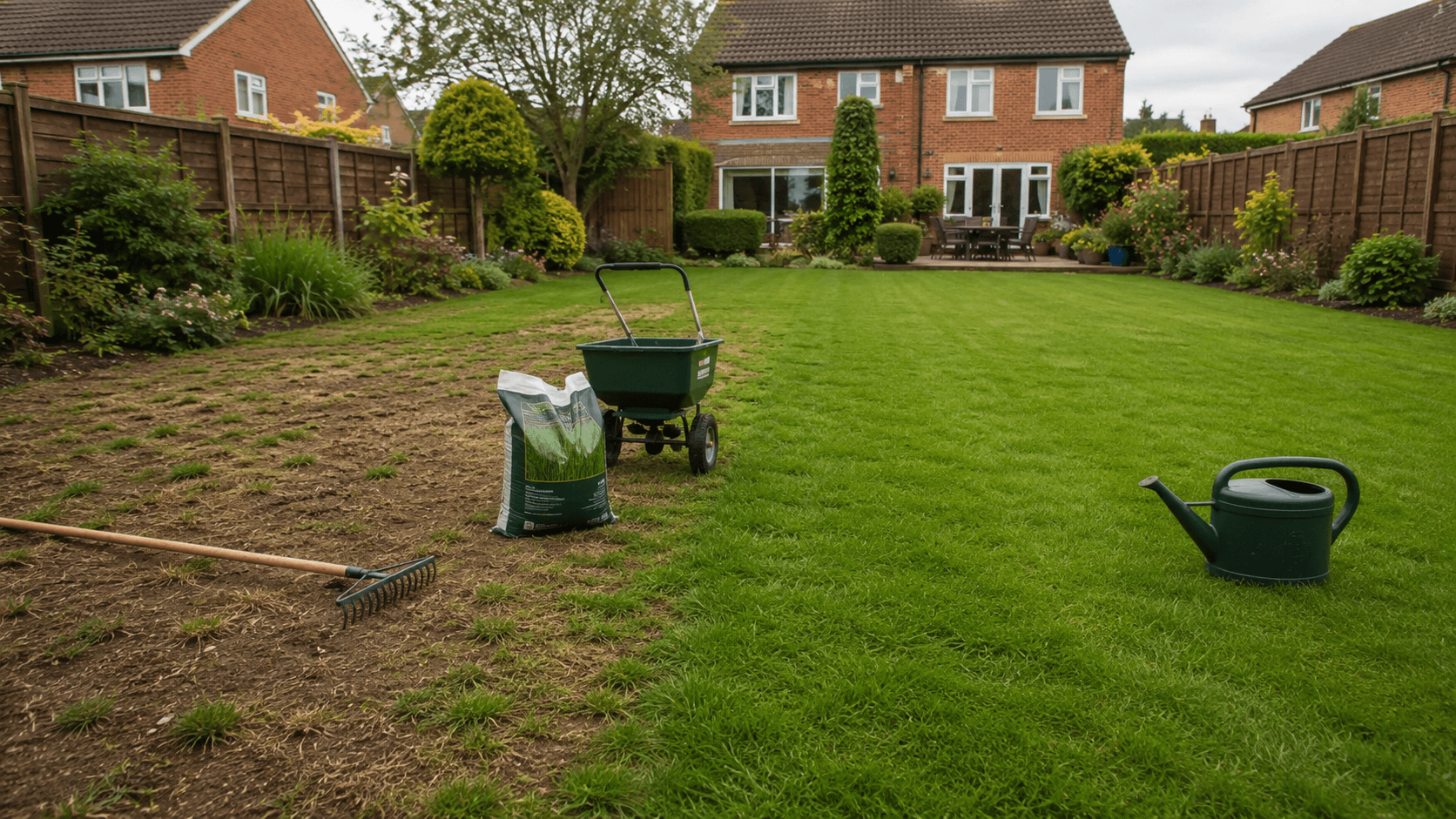
A few bare or worn patches don't mean you need a whole new lawn. Most can be repaired in a weekend once you understand what caused them, and fixing the cause matters as much as reseeding, or the patch just returns.
Work out the cause first
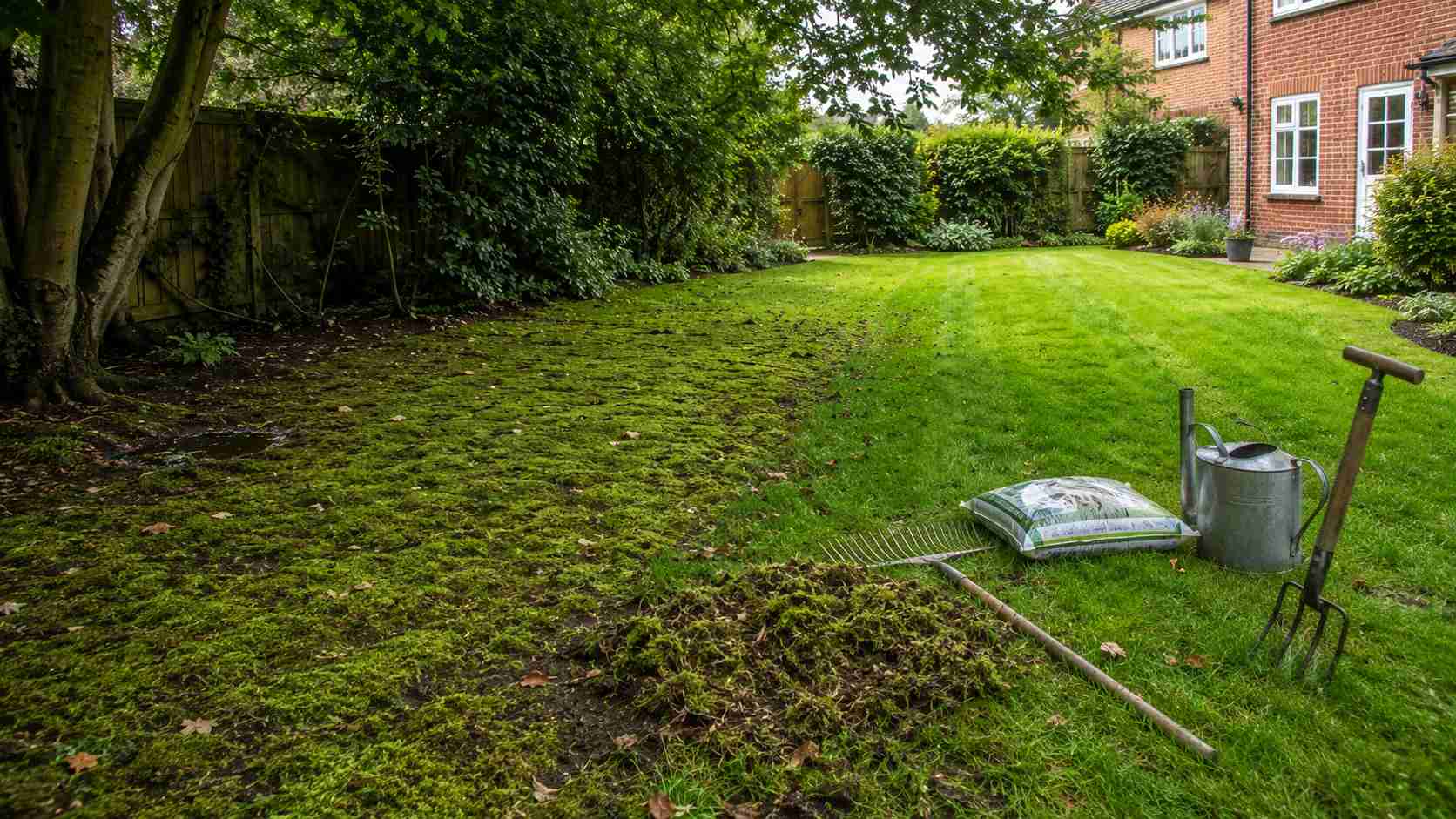
Common culprits are heavy foot traffic, deep shade, poor drainage, compacted soil, pet urine, or weeds and moss crowding out the grass. Reseed without fixing the cause and the same patch thins out again.
Take a minute to notice which patches fail: a worn line across the middle is usually a footpath the grass can't survive; a corner that's always thin is often shade or a downpipe; a lawn that's patchy all over tends to point to compaction, poor soil or a mowing habit that's scalping it.
How to repair a patch
- ›Rake out dead grass, moss and debris to expose bare soil.
- ›Loosen and level the surface, adding a little topsoil if needed.
- ›Sow a grass seed suited to your conditions (shade or hard-wearing mixes exist).
- ›Firm gently, keep it consistently watered, and keep feet off until established.
- ›For an instant fix, patch in small pieces of turf instead of seed.
Timing makes it easier
Spring and autumn are the kindest times to repair a lawn, the soil is warm and moisture is more reliable, so seed germinates and roots quickly. Patching in high summer is possible but needs far more watering, and mid-winter repairs sit and do little until the ground warms up.
When it keeps coming back
If the same spot fails repeatedly, the real issue, usually shade, compaction or drainage, needs solving rather than the grass replacing. In deep shade, planting, ground cover or a small paved or gravelled area often works far better than fighting to grow grass that will never thrive there. It's not defeat; it's matching the surface to the conditions.
Frequently asked questions
Both work. Seed is cheaper and blends in well but takes time to establish and needs protecting; turf patches give an instant fix if you want the area usable quickly. For small, awkward spots, turf is often easier.